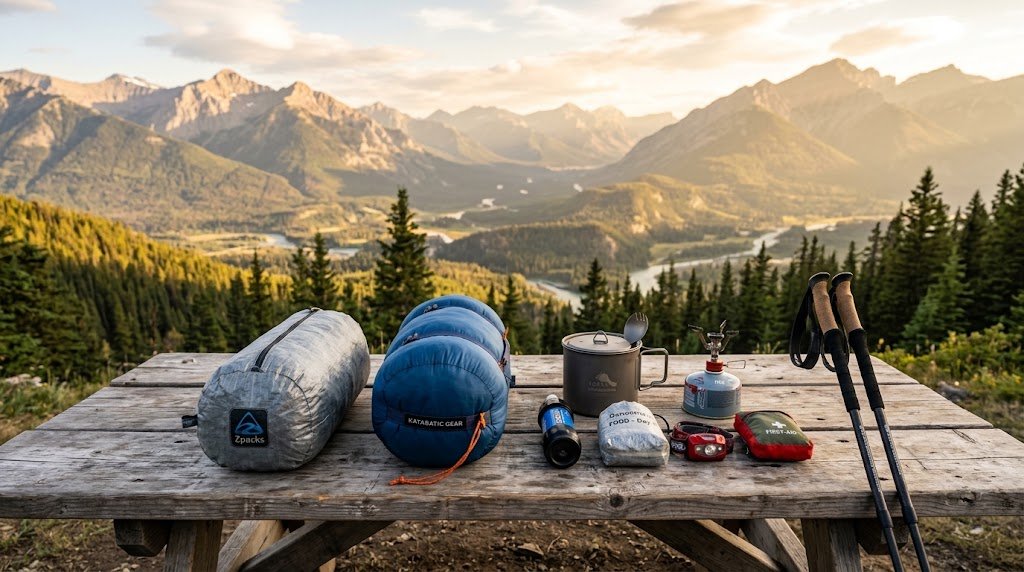
Preparing for memorable wilderness adventures in 2026 requires optimizing your pack weight through carefully selected camping gear & light backpacking essentials. Whether you are planning a weekend mountain trek, a multi-day backcountry hike, or a relaxed forest camp, minimizing base weight directly reduces fatigue, preserves energy, and prevents trail injuries.
Without proper gear planning, carrying unnecessarily heavy shelters, bulky sleeping bags, and redundant tools can turn a scenic expedition into an exhausting ordeal. In this detailed guide, we evaluate modern backcountry technology and share proven camping gear & light backpacking essentials strategies to keep your pack light and comfortable on any terrain.
Why Camping Gear & Light Backpacking Essentials Matter in 2026
Outdoor gear technology has advanced rapidly, utilizing ultralight materials like Dyneema composite fabrics, high-fill hydrophobic down, and titanium alloy hardware. Shifting toward a minimalist backpacking setup allows hikers to cover greater distances with less physical strain while maintaining complete weather protection.
According to safety and backcountry guidelines published by the National Park Service and outdoor gear research at REI Co-op, maintaining a manageable pack weight ensures faster mobility during sudden weather changes while protecting joint health during steep descents. Investing in reliable camping gear & light backpacking essentials guarantees that your shelter and survival items perform flawlessly under demanding conditions.
[Affiliate Link / CTA Box: Get Up to 25% Off Ultralight Tents & Backpacks at REI & Backcountry]
7 Best Camping Gear & Light Backpacking Essentials Hacks for 2026
Upgrading your wilderness setup requires balancing weight reduction with durability and safety:
1. Upgrade Your “Big Three” Base Weight Systems
Your backpack, shelter, and sleep system account for over 60% of total pack weight. Replace heavy double-wall traditional tents and rigid internal frame packs with ultralight trekking-pole shelters, frameless or semi-frameless backpacks, and compact down quilts to trim several pounds instantly.
2. Choose High Fill-Power Down for Maximum Compression
Insulation efficiency is measured in fill power. Select 800+ fill-power hydrophobic down sleeping bags or quilts, which offer superior warmth-to-weight ratios and compress down to the size of a water bottle inside your pack.
3. Switch to Compact Titanium Cookware and Micro Canister Stoves
Ditch heavy steel mess kits. A minimalist kitchen setup consisting of a 450ml to 750ml titanium pot, a 1-ounce stove burner (such as an MSR PocketRocket or BRS-3000T), and a long-handled spork provides all the utility needed for dehydrating backcountry meals.
4. Implement a Strategic Clothing Layering System
Avoid packing extra cotton clothes. Stick strictly to a 3-layer system: a moisture-wicking synthetic or Merino wool base layer, an insulating mid-layer (fleece or lightweight down jacket), and a waterproof, windproof breathable rain shell.
5. Utilize Gravity or Micro Squeeze Water Filtration
Stop carrying gallons of heavy water over long trail distances. Carry a compact squeeze filter (like the Sawyer Squeeze or Katadyn BeFree) or a hands-free gravity bag setup to purify fresh water at natural water sources along your route.
6. Replace Single-Use Batteries with USB-C Rechargeable Headlamps
Keep your electronic load light by switching to compact, weather-resistant headlamps with integrated USB-C charging ports. Pair your headlamp with a 10,000mAh lightweight power bank to keep your phone, GPS navigation, and trail lighting powered for days.
7. Pack the Ten Essential Survival Items in Lightweight Formats
Never sacrifice safety for weight savings. Always pack compact survival essentials: a mini first aid kit, emergency bivvy, topographical map/compass app, knife or multi-tool, fire starter, headlamp, signaling whistle, sunglasses, sunscreen, and extra high-calorie food rations.
Comparison of Top Light Backpacking Tents
Evaluating weight, interior floor area, and weatherproofing helps you choose the right shelter for your backcountry style.
| Tent Model | Packed Weight | Shelter Type | Peak Height | Best For |
| Big Agnes Copper Spur HV UL2 | 3 lbs 2 oz | Freestanding Double-Wall | 40 inches | Hikers seeking ease of setup & comfort |
| Nemo Hornet Elite OSMO 2P | 2 lbs 1 oz | Semi-Freestanding | 37 inches | Ounce-counters needing double doors |
| Zpacks Duplex Zip Tent | 1 lb 2 oz | Trekking Pole Non-Freestanding | 48 inches | Thru-hikers prioritizing extreme lightness |
| MSR Hubba Hubba LT 2 | 3 lbs 4 oz | Freestanding All-Weather | 39 inches | Rugged durability & three-season stability |
Step-by-Step Workflow for Packing a Lightweight Backpack
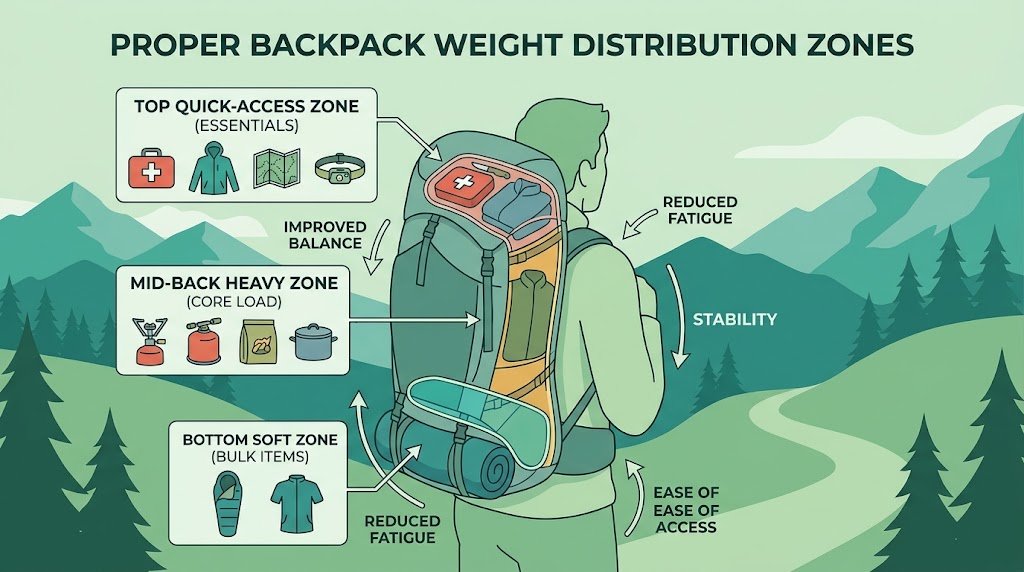
Follow this 4-step loading strategy to ensure optimal weight distribution and trail stability:
- Calculate Base Weight and Audit Gear: Weigh every item on a digital scale and log them into a gear planner, removing redundant items.
- Pack Sleeping Bag and Clothes at the Bottom: Place soft, compressible insulation items in the bottom of your pack inside a waterproof liner bag.
- Position Heavy Food and Fuel Near Your Spine: Center heavy items (food bags, water bladders, stoves) close to your back at mid-torso height for maximum balance.
- Store Trail Essentials in Outer Pockets: Visit our homepage to explore more guides on travel gear, outdoor hobbies, and practical lifestyle optimizations.
[Affiliate Link / CTA Box: Download Our Free Backpacking Gear Checklist & Weight Calculator PDF]
Final Thoughts on Camping Gear & Light Backpacking Essentials
Lightweight wilderness travel allows you to connect with nature without the physical burden of an oversized pack.
- Focus on reducing weight in your tent, sleep system, and backpack first.
- Never compromise on safety items or adequate thermal insulation.
- Test new gear on short day hikes before embarking on remote multi-day trips.
By adopting these camping gear & light backpacking essentials principles, you can explore backcountry trails longer, faster, and with far greater comfort.
For more guide and helpful tips, feel free to visit our homepage.